The Morning After Graduation 🌅
Rohit passed his B.Com exam. After years of studying, attending lectures, and writing exams, he finally has his degree in hand. His family celebrated. His relatives called. For two days, he felt on top of the world.
Then the third day came.
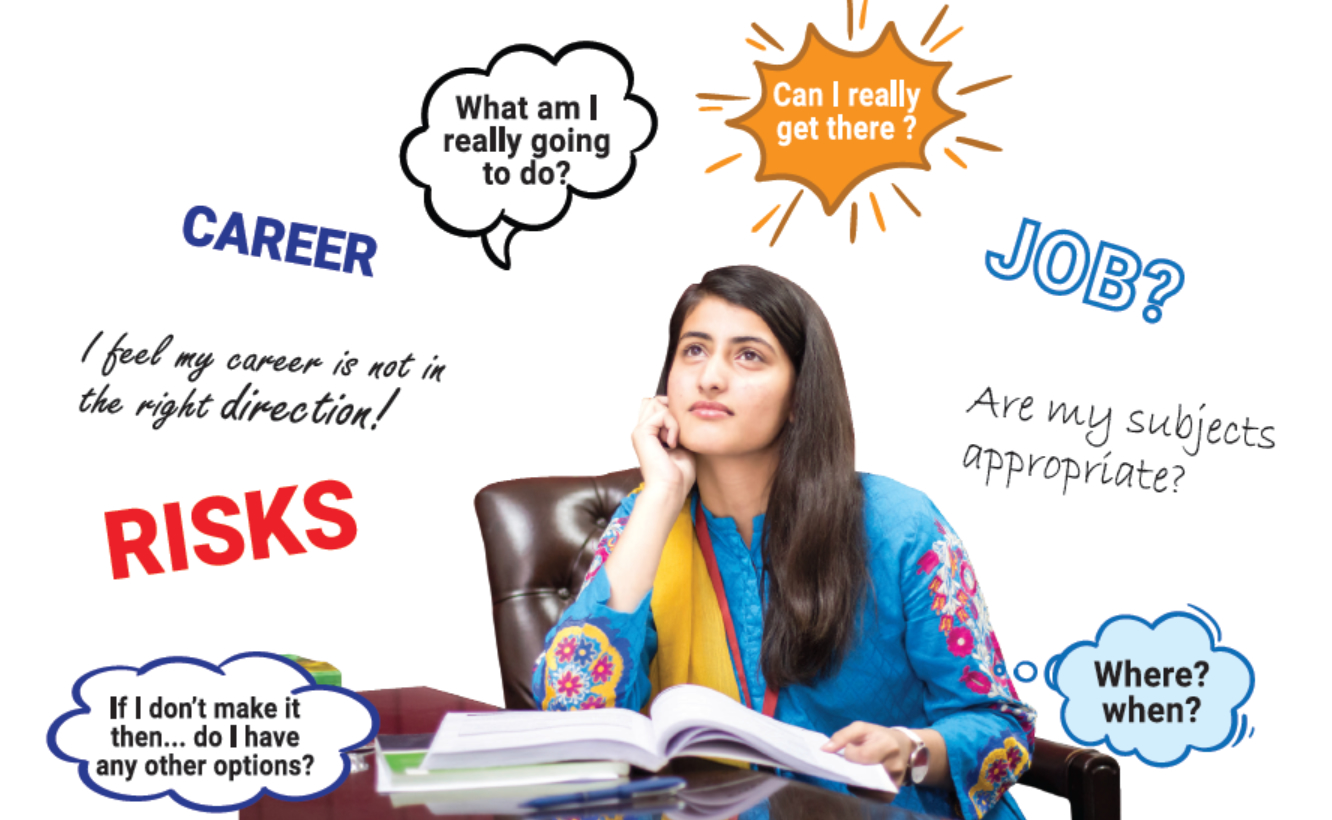
He woke up not knowing what to do. No class to attend. No exam to prepare for. No teacher to guide. His friends are confused too. Some are preparing for government exams. Some are sending CVs everywhere without getting replies. Some have joined their family business reluctantly. And some — like Rohit — are just sitting at home, scrolling through their phones, feeling lost.
If this is you right now — take a breath. You are not alone. And you are not failing. You are just at the beginning of a new chapter that nobody really prepared you for.
This blog is for you.
Part 1: Why Is Everyone So Confused After Graduation? 🤔
The System Gave You a Degree — But Not a Direction
Our education system is excellent at teaching subjects. It teaches you History, Chemistry, Economics, Computer Science. But it almost never teaches you how to build a career, how to write a resume, how to handle an interview, how to manage money, or how to figure out what you actually want to do with your life.
So you spend 15-16 years in school and college — and then you step out into the real world completely unprepared for the most important decision of your life: What next?
"Getting a degree is the end of education. Starting a career is the beginning of learning what education never taught you."
Pressure From All Sides
Fresh graduates in India face pressure from every direction. Parents want a 'settled' job — ideally a government job or a big company. Relatives compare: 'Sharma ji's son got placed in TCS, what about yours?' Society judges if you are not earning within months of graduating.
This pressure pushes young people into making rushed, wrong decisions — joining any job just to say they have one, taking a course they don't understand just to look busy, or giving up entirely and waiting for something perfect that never comes.
None of these work well. What works is having a plan — even a simple one.
Part 2: First, Figure Out Where You Stand 🔍
The Three Big Questions You Must Answer
Before you apply for any job or course, sit quietly for one hour and answer these three questions honestly:
- What am I good at? — Think about what people compliment you on. What tasks feel easy and natural to you? What did you enjoy doing even without being forced?
- What do I enjoy? — Not what your parents enjoy, not what your friends are doing. What makes YOU come alive? What do you lose track of time doing?
- What does the world need and pay for? — Where do your skills and interests meet with real opportunity? This is where your career lives.
The answer to all three is your starting point. You don't need to have everything figured out — but knowing even one of these helps you take the first step in the right direction.
Know Your Financial Reality
This is something nobody talks about openly — but it matters enormously. Ask yourself: How long can I take to figure things out? Does my family need me to earn immediately, or do I have 6-12 months to explore and upskill?
If your family needs income now — prioritize getting any decent job quickly, even if it is not your dream job. You can build from there. A job that pays is better than a dream that waits.
If you have some time — use it wisely. This is your window to learn new skills, take a certification, do an internship, or explore options before committing.
"Your first job does not have to be your dream job. It just has to be your next step."
Part 3: What Are Your Real Options? 🗺️
Option 1 — Get a Job (Private Sector)
Private sector jobs are available across all fields — IT, banking, sales, marketing, teaching, healthcare, hospitality, manufacturing, and more. The key is to match your degree and skills to the right industry.
How to start: Update your resume. Make a LinkedIn profile. Register on Naukri.com, Indeed, Internshala, and Shine.com. Apply even for roles where you meet 70% of the requirements — you will learn the rest on the job.
Important: Do not only wait for 'big company' placements. Thousands of small and mid-size companies offer excellent learning, good pay, and faster growth than large corporations.
Option 2 — Prepare for Government Exams
Government jobs offer security, respect, and good benefits. But they require serious, focused preparation. Common exams include SSC (Staff Selection Commission), UPSC (civil services), banking exams (IBPS, SBI), state PSC exams, railway exams, and teaching exams like CTET.
Be honest with yourself: Government exam preparation takes 1-3 years of focused study. You need consistency, the right study material, and ideally a good coaching or self-study plan. If this is your path — commit to it fully. Half-hearted preparation leads to years of wasted time.
Also keep a backup plan. Prepare for government exams AND apply for private jobs simultaneously. This way you are not left with nothing if one path takes longer.
Option 3 — Higher Education (Masters, Professional Courses)
If you want to go deeper in your field — a Masters degree, MBA, MCA, or a professional certification can open significant doors. But be careful: higher education is not always the right answer.
Ask yourself: Am I doing this because I genuinely want to learn more — or am I doing it to delay the discomfort of job hunting? If it is the second reason, a degree alone will not help. Employers want skills and attitude, not just certificates.
However, if you have a clear reason — like wanting to switch fields, go into research, or qualify for high-level roles — higher education is absolutely worth it.
Option 4 — Upskilling and Short Courses
This is one of the most powerful options available to fresh graduates today — and one of the most underused. In 3-6 months, with the right skill, you can completely change your job prospects.
High-demand skills right now include: Digital Marketing, Data Analysis, Graphic Design, Web Development, Accounting Software (Tally, GST), Video Editing, Content Writing, Spoken English, and Customer Service.
Platforms like Google (free), Coursera, Udemy, NIELIT, and PMKVY (government-funded) offer excellent courses — many completely free. A certificate from Google or a recognized platform holds real value with employers.
Option 5 — Entrepreneurship and Self-Employment
Not every person is made for a job — and that is completely fine. If you have a skill, a product idea, or a service that people need, you can start small and build.
You do not need a lot of money to start. Many successful businesses began with just a phone, a skill, and a WhatsApp group. Tutoring, tailoring, food delivery, photography, content creation, event decoration, repair services — these are all real businesses that young graduates have built from scratch.
Support is available: PM Mudra Loan (for small businesses), Startup India registration, DigiLocker for documents, and free mentorship from organizations like SIDBI and local Udyog Kendras.
Part 4: The Resume and Interview — Basics You Must Know 📝
Your Resume Is Your First Impression
Most fresh graduates make the same resume mistakes. Here is what actually works:
- Keep it to 1 page. Recruiters spend 30 seconds on a resume. Make those seconds count.
- Start with a clear objective — 2 lines about who you are and what you are looking for.
- List your education, internships, projects, and any extra skills clearly.
- If you have no work experience — list college projects, volunteer work, competitions, or any freelance work you did.
- Use simple, clear language. No fancy words. No spelling mistakes. Ask someone to proofread.
- Always customize your resume for each job. A generic resume gets generic results.
Interview — What They Are Actually Looking For
In an interview, most employers are not just checking your knowledge. They are checking: Can this person communicate clearly? Are they confident and honest? Will they learn and grow? Do they fit our team?
- Prepare your introduction — 'Tell me about yourself' is always asked. Practice a 60-second answer about your background, what you studied, and what you are looking for.
- Research the company before the interview. Know what they do, their products, their recent news. This shows genuine interest.
- Dress neatly. First impressions matter. You don't need expensive clothes — just clean, pressed, and professional.
- If you don't know an answer — say so honestly. 'I don't know this yet, but I am a quick learner and will figure it out.' This honesty is respected.
- Ask one or two questions at the end: 'What does growth look like in this role?' This shows initiative.
"An interview is not an exam you pass or fail. It is a conversation to find out if you and the company are a good fit for each other."
Part 5: The Money Side — Nobody Talks About This Enough 💰
Your First Salary Will Feel Small — That Is Normal
Most fresh graduates earn between Rs. 8,000 and Rs. 20,000 per month in their first job. This can feel discouraging — especially when you see social media posts of people earning lakhs. Remember: those are highlights, not normal life.
What matters in the first 1-2 years is not the salary — it is the learning. A job that pays Rs. 10,000 but teaches you valuable skills is worth more than a job that pays Rs. 15,000 where you learn nothing.
Learn Basic Money Management From Day One
- Save at least 10-20% of whatever you earn — even if it is a small amount. Start the habit now.
- Avoid unnecessary loans and credit card debt in the first year of working.
- Open a savings account if you don't have one. Learn about PPF, recurring deposits, and simple investments.
- Track your expenses for the first 3 months. Knowing where your money goes is the first step to managing it.
"The habit of saving Rs. 500 a month at 22 is worth more than saving Rs. 5,000 a month at 35. Start small, start now."
Part 6: Mental Health and Pressure — Real Talk 💙
The Confusion and Anxiety Is Real
Nobody warns you about this part. The months after graduation can be emotionally very difficult. You feel directionless. You compare yourself to friends who seem to be doing better. You feel you are wasting time. You feel like a burden at home. Some days, you feel like you will never figure it out.
These feelings are normal. Almost every fresh graduate goes through this. It does not mean you are a failure. It means you are human and you are in a transition.
What Actually Helps
- Limit social media comparison. What people post is their highlight reel — not their full story.
- Set a small daily goal — apply to 3 jobs, learn one new thing, read for 30 minutes. Small progress is still progress.
- Talk to someone — a friend, a parent, a mentor, a counselor. Keeping all the anxiety inside makes it bigger.
- Get out of the house. Go for a walk, join a library, meet people. Isolation feeds confusion.
- Celebrate small wins. Got a call for an interview? That is a win. Learned a new skill? Win. Each step forward matters.
"The gap between graduation and your first job is not wasted time. It is the time you invest in becoming who you need to be."
Part 7: Stories of Hope — Real Paths, Real People 🌟
From B.A. to Business Owner
Kavita graduated with a B.A. in Hindi Literature from a government college in Jaipur. Her relatives laughed — 'What will you do with a Hindi degree?' For 8 months she was lost. Then she started writing content for small local businesses on WhatsApp. Word spread. Within a year, she had 12 clients and was earning Rs. 25,000 a month — more than most of her engineering friends.
Her degree did not directly get her the job. Her skill — writing clearly and creatively — did.
From Failure to Factory Manager
Ramesh failed his first two SSC attempts. His family was disappointed. He took a temporary job in a manufacturing unit earning Rs. 9,000. But he worked hard, asked questions, and learned everything about the production process. Three years later, he was promoted to floor supervisor. Today he earns Rs. 35,000 and is studying part-time for a diploma in industrial management.
His first job was not his dream. But it became his path.
"You don't need the perfect start. You just need to start. The path becomes clearer as you walk it."
Quick Reference — Where to Go for What 📞
- Job Portals: Naukri.com, LinkedIn, Indeed, Shine.com, Internshala (for internships and fresher jobs)
- Government Job Updates: sarkariresult.com, NCS Portal (nationalcareerservice.gov.in)
- Free Skill Courses: Google Digital Garage (free), NIELIT courses, SWAYAM (govt. free courses), Coursera (audit for free), Udemy (paid but affordable)
- Government Schemes: PM Mudra Loan (small business), Startup India, PMKVY (free skill training), DigiLocker
- Resume Help: Canva (free resume templates), Novoresume
- Mental Health Support: iCall Helpline — 9152987821 (TISS), Vandrevala Foundation — 1860-2662-345 (free, 24/7)
In the End — You Are Not Behind 🤝
If you are reading this and feeling lost after graduation — know this: You are not behind. You are not a failure. You are not less than the person who got placed immediately or who is studying abroad.
Every person's path is different. Some find their direction at 22, some at 28, some at 35. What matters is not how fast you start — it is that you keep moving.
Your degree opened the door. Now it is your skills, your attitude, your effort, and your resilience that will take you through it.
Start today. Start small. Stay consistent. Ask for help when you need it. And never — not for one day — let someone else's timeline make you feel that yours is wrong.
🎓 Degree mili hai — ab duniya ki baari hai. One step at a time. You've got this.
— This blog is dedicated to every fresh graduate who woke up the day after results and thought: Now what? — You will figure it out. 🌸